
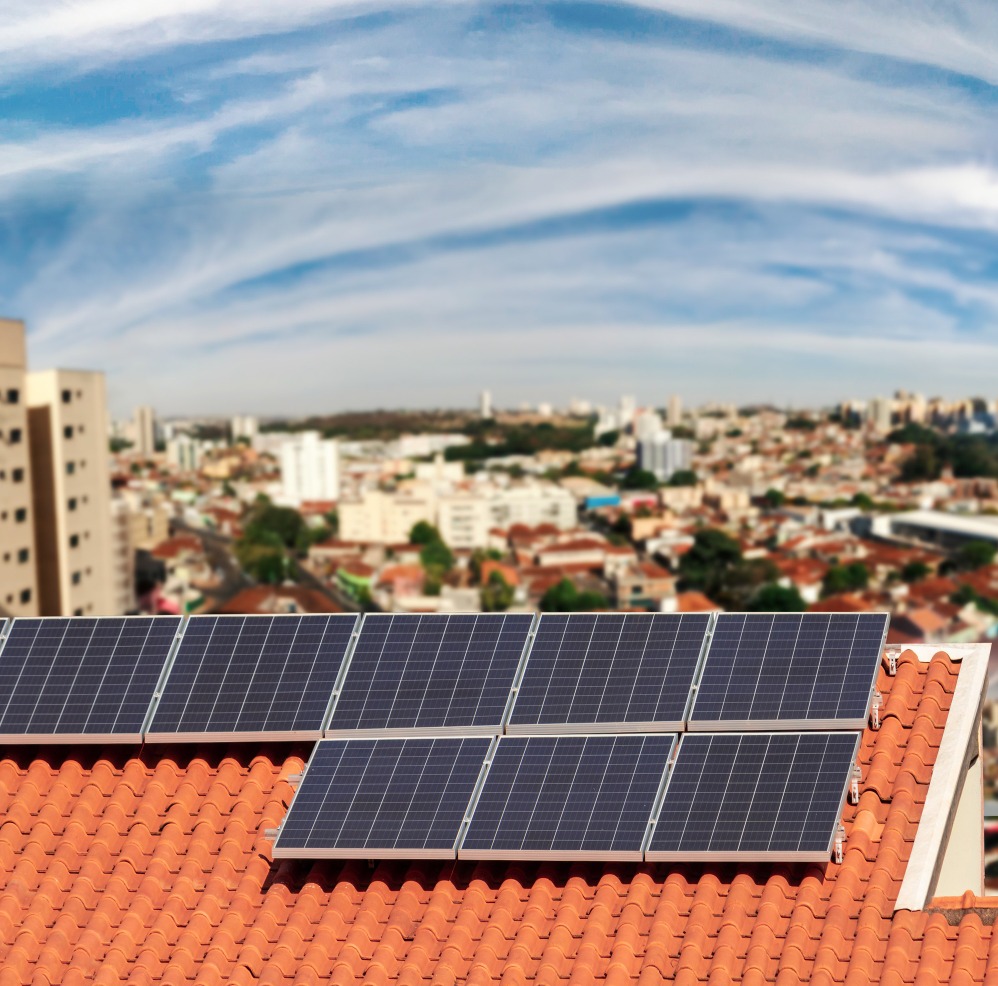
A rooftop solar system has become one of the most practical solutions for homeowners and businesses looking to reduce electricity costs while embracing clean energy. With rising power consumption and increasing awareness of renewable energy, many property owners in Nagpur are exploring rooftop solar as a long-term investment rather than just an alternative source of electricity.
However, installing a solar system involves more than selecting a few panels for the roof. Understanding how rooftop solar works, the factors that influence performance, and the planning involved can help you make a confident and informed decision.
What Is a Rooftop Solar System?
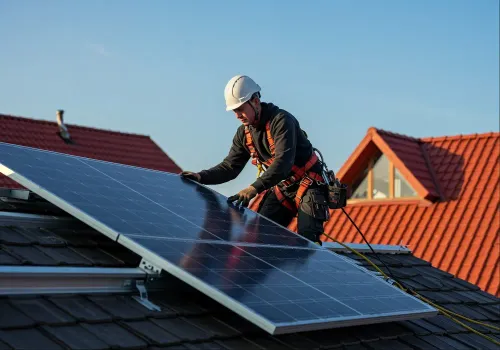
A rooftop solar system is a setup where photovoltaic (PV) solar panels are installed on the roof of a residential, commercial, or industrial building to capture sunlight and convert it into usable electricity.
The system typically consists of:
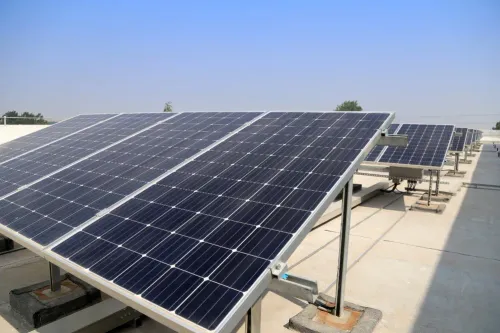
- Solar panels that generate electricity from sunlight
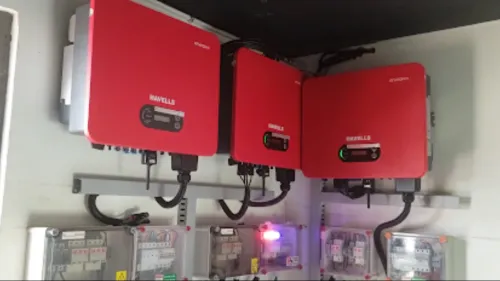
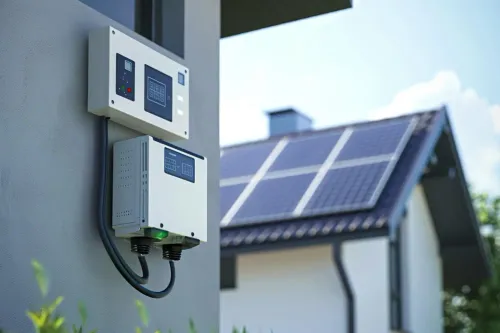
- A solar inverter that converts direct current (DC) into alternating current (AC)
- Mounting structures that securely hold the panels
- Electrical wiring and protection devices
- A monitoring system to track energy production
When designed correctly, these components work together to provide a reliable source of electricity throughout the year.
Why Rooftop Solar Is Gaining Popularity in Nagpur
Nagpur enjoys a high number of sunny days, making it well-suited for solar power generation. Homes and businesses with adequate rooftop space can take advantage of this natural resource to produce a significant portion of their daily electricity needs.
Some of the major benefits include:
- Lower monthly electricity bills
- Better use of unused rooftop space
- Reduced dependence on conventional electricity
- Environmentally responsible energy generation
- Low maintenance compared to many other energy systems
- Long operational life with proper care
As awareness of renewable energy grows across Maharashtra, rooftop solar systems continue to become an attractive option for both new and existing properties.
How Does a Rooftop Solar System Work?
Many first-time buyers are curious about the process behind solar energy generation.
The system works in a simple sequence:
- Solar panels absorb sunlight during the day.
- The photovoltaic cells convert sunlight into direct current (DC) electricity.
- The solar inverter converts DC electricity into alternating current (AC), which powers household appliances.
- The generated electricity is used within the property, reducing dependence on grid power.
- Depending on the system configuration and local regulations, surplus electricity may be managed through applicable grid-connected arrangements.
Although the technology is advanced, the system operates automatically with very little day-to-day intervention.
Is Your Property Suitable for Rooftop Solar?
Before installation, it is important to evaluate whether your property can support an efficient solar system.
Some key factors include:
Available Roof Space
The amount of usable rooftop area determines the maximum system capacity that can be installed.
Sunlight Exposure
Roofs receiving uninterrupted sunlight for most of the day generally deliver better energy generation.
Structural Strength
The roof should be capable of safely supporting the solar panels and mounting structures for many years.
Future Expansion Plans
If additional electricity requirements are expected in the future, the system design can often accommodate future upgrades.
A professional site assessment helps identify the most suitable configuration for your property.
Common Mistakes Homeowners Should Avoid
While rooftop solar offers many benefits, avoiding a few common mistakes can improve long-term satisfaction.
Selecting the Wrong System Size
Installing a system without considering actual electricity consumption may result in underperformance or unnecessary investment.
Ignoring Component Quality
Solar panels receive most of the attention, but inverters, mounting structures, connectors, and electrical protection equipment are equally important for system reliability.
Focusing Only on Initial Cost
The cheapest option may not always provide the best value. Installation quality, equipment durability, warranties, and after-sales service all contribute to the overall performance of the system.
Choosing an Inexperienced Installer
Incorrect panel orientation, poor wiring, or inadequate mounting can reduce energy production and increase maintenance requirements over time.
How Much Maintenance Does a Rooftop Solar System Need?
One of the biggest advantages of rooftop solar is its relatively low maintenance requirement.
To maintain efficient performance:
- Clean the solar panels periodically to remove dust and debris.
- Inspect the system occasionally for loose wiring or damaged components.
- Monitor electricity generation through the inverter or monitoring application.
- Arrange professional servicing whenever recommended by the installer.
Simple preventive maintenance helps ensure the system continues to operate efficiently for many years.
Questions to Ask Before Investing
Before finalising your rooftop solar project, it is worth discussing a few important points with your installation provider.
What system capacity best matches my electricity consumption?
- How much rooftop space will be required?
- Which type of inverter is suitable for my property?
- What warranties are available on the equipment?
- How often does the system require maintenance?
- Can the system be expanded in the future if electricity usage increases?
Having clear answers to these questions makes it easier to compare different solutions.
Choosing the Right Installation Partner
A rooftop solar system is designed to operate for decades, making professional installation just as important as selecting quality equipment. An experienced provider evaluates your property's energy requirements, roof conditions, electrical infrastructure, and long-term goals before recommending a suitable solution.
For homeowners and businesses considering a Rooftop Solar System in Nagpur, RDC Infotech provides guidance throughout the process, from site assessment and system planning to professional installation and ongoing support. Taking the time to choose the right system and installation partner helps ensure reliable performance, better energy efficiency, and long-term value from your investment in solar power.