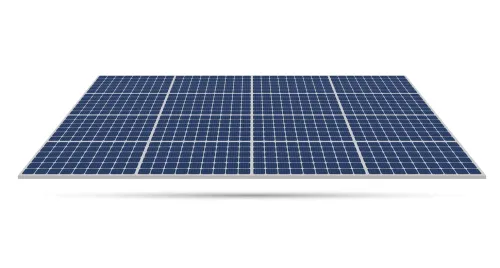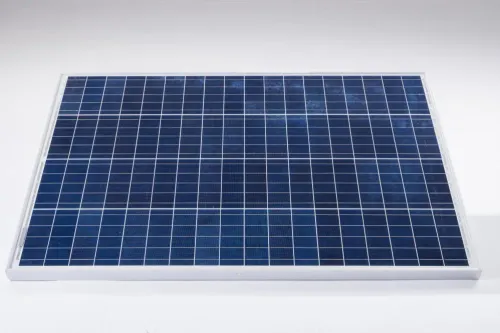

Installing a rooftop solar system has become more attractive for homeowners as awareness of renewable energy continues to grow. Along with reducing electricity bills, many people are interested in learning about the Solar Subsidy available for eligible residential installations. While the idea of financial assistance is appealing, understanding how the subsidy works is equally important before planning a solar project.
For homeowners in Nagpur and across Maharashtra, having accurate information about subsidy schemes, eligibility, and installation requirements can make the transition to solar energy smoother and more informed.
What Is a Solar Subsidy?
A solar subsidy is a government initiative that encourages the adoption of renewable energy by providing financial support for eligible residential rooftop solar installations. The objective is to make clean energy more accessible while reducing dependence on conventional electricity sources.
The subsidy is generally available only after specific eligibility conditions are met, and homeowners should always verify the latest guidelines before making investment decisions.
Instead of viewing the subsidy as the primary reason to install solar, it should be considered an added benefit that complements the long-term savings generated by the solar system.
Who Can Benefit from a Solar Subsidy?
Solar subsidy schemes are typically designed for residential property owners installing rooftop solar systems for personal electricity consumption.
Eligibility may depend on factors such as:
- Ownership of the residential property
- Type of rooftop available for installation
- Capacity of the proposed solar system
- Compliance with applicable government guidelines
- Completion of the required approval and documentation process
Since policies may change over time, it is advisable to confirm the latest requirements before beginning the project.
Why Nagpur Is Well-Suited for Residential Solar
Nagpur enjoys abundant sunshine for a significant part of the year, making rooftop solar systems an efficient source of renewable electricity. Homes with adequate rooftop space can generate a considerable portion of their daily energy requirements through solar power.
This favourable climate allows homeowners to enjoy the combined benefits of lower electricity expenses, cleaner energy, and potential eligibility for government support where applicable.
Steps Involved in the Solar Subsidy Process
Although the exact process may vary depending on prevailing government policies, residential solar projects generally follow a structured approach.
Step 1: Assess Your Electricity Requirements
The first step is understanding your average monthly electricity consumption. This helps determine the appropriate size of the rooftop solar system.
Step 2: Site Inspection
A professional site survey evaluates roof space, sunlight exposure, structural condition, and electrical infrastructure to confirm whether the property is suitable for solar installation.
Step 3: System Design
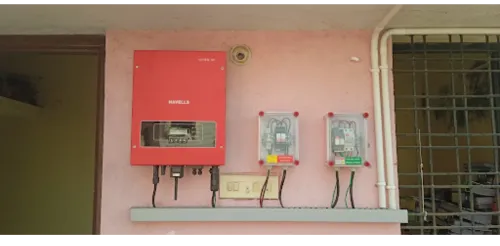
Based on the inspection, a customised solar system is designed using compatible panels, inverters, and mounting structures.
Step 4: Documentation and Approvals
Eligible projects may require documentation and approvals before installation or during the subsidy process, depending on the applicable guidelines.
Step 5: Installation and Inspection
The system is installed by trained professionals and may undergo inspection as required before becoming fully operational.
Understanding these steps helps homeowners prepare realistic expectations throughout the installation journey.
Common Misconceptions About Solar Subsidy
Many first-time buyers misunderstand how subsidy schemes work. Here are a few common misconceptions.
'Every solar installation automatically receives a subsidy.'
Eligibility depends on current government policies, system type, and compliance with specified requirements. Not every installation qualifies.
'The subsidy covers the entire project cost.'
Government assistance generally supports only a portion of the eligible installation cost. Homeowners should plan their investment accordingly.
'Commercial properties receive the same subsidy as residential homes.'
Subsidy provisions often differ depending on the category of the property. It is important to verify the applicable guidelines before proceeding.
'The cheapest installation is always the best choice.'
A quality solar system should be selected based on equipment reliability, professional installation, and long-term performance rather than initial cost alone.
Questions to Ask Before Planning Your Solar Project
Before beginning the installation process, consider asking your solar provider:
- Is my property suitable for rooftop solar?
- What system capacity is recommended?
- Am I eligible for the current residential solar subsidy?
- What documents may be required?
- Which type of inverter is suitable for my home?
- What warranties are available on the equipment?
- How much maintenance will the system require?
These questions help you understand both the technical and administrative aspects of the project.
Looking Beyond Financial Assistance
While the availability of a subsidy can reduce the initial investment, the long-term value of a rooftop solar system comes from consistent electricity generation over many years. Factors such as equipment quality, installation expertise, and proper system design have a greater influence on overall performance than the subsidy alone.
A professionally installed system can continue generating clean energy for decades with minimal maintenance, making it a valuable long-term investment for homeowners.
Choosing an Experienced Solar Partner
Planning a rooftop solar project involves technical assessments, system design, equipment selection, installation, and guidance through applicable procedures. Working with an experienced provider helps simplify each stage of the process.
For homeowners exploring Solar Subsidy options in Nagpur, RDC Infotech assists customers with site evaluations, customised rooftop solar solutions, professional installation, and guidance on the applicable documentation and government procedures. By understanding both the technical and administrative aspects of solar adoption, homeowners can make informed decisions that support long-term energy savings and sustainable living.