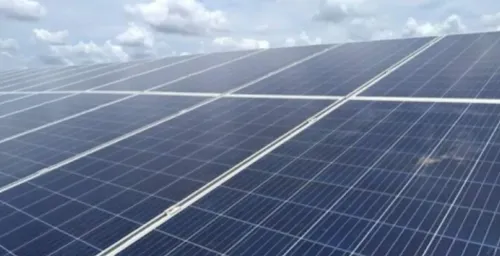

Installing a rooftop solar system is one of the most effective ways to generate clean electricity while reducing long-term energy expenses. As solar technology becomes more accessible, many homeowners and business owners are exploring Rooftop Solar Panel Installation to make better use of their available roof space. However, a successful installation involves careful planning, quality equipment, and professional execution rather than simply placing solar panels on a rooftop.
For property owners in Nagpur, where sunlight is available for most of the year, understanding the installation process can help ensure that the investment delivers reliable performance for decades.
Why Rooftop Solar Installation Is Growing in Popularity
Solar energy has become a practical solution for residential and commercial properties looking to reduce dependence on conventional electricity. Modern solar systems are designed to operate efficiently with minimal maintenance, making them a long-term investment rather than a short-term expense.
Some of the key advantages include:
- Reduced electricity bills over time
- Productive use of unused rooftop space
- Environment-friendly energy generation
- Low maintenance requirements
- Long equipment lifespan
- Increased energy independence
These benefits have encouraged more property owners across Maharashtra to consider rooftop solar as part of their long-term energy planning.
How Rooftop Solar Panel Installation Works
Understanding each stage of the installation process helps property owners know what to expect and why every step is important.
Step 1: Understanding Energy Requirements
The first step is analysing your monthly electricity consumption. This information helps determine the ideal system size for your home or business. Installing the correct capacity ensures the system matches your energy needs without unnecessary investment.
Step 2: Rooftop Site Assessment
A detailed site inspection evaluates several important factors, including:
- Available roof space
- Sunlight exposure throughout the day
- Roof orientation and tilt
- Presence of nearby shading
- Structural strength of the building
- Existing electrical infrastructure
This assessment forms the foundation of an efficient solar system design.
Step 3: System Design and Equipment Selection
Based on the site survey, the installer recommends suitable components, including:
- Solar panels
- Solar inverter
- Mounting structures
- Electrical protection devices
- Monitoring equipment
Choosing compatible components ensures efficient operation and long-term reliability.
Step 4: Professional Installation
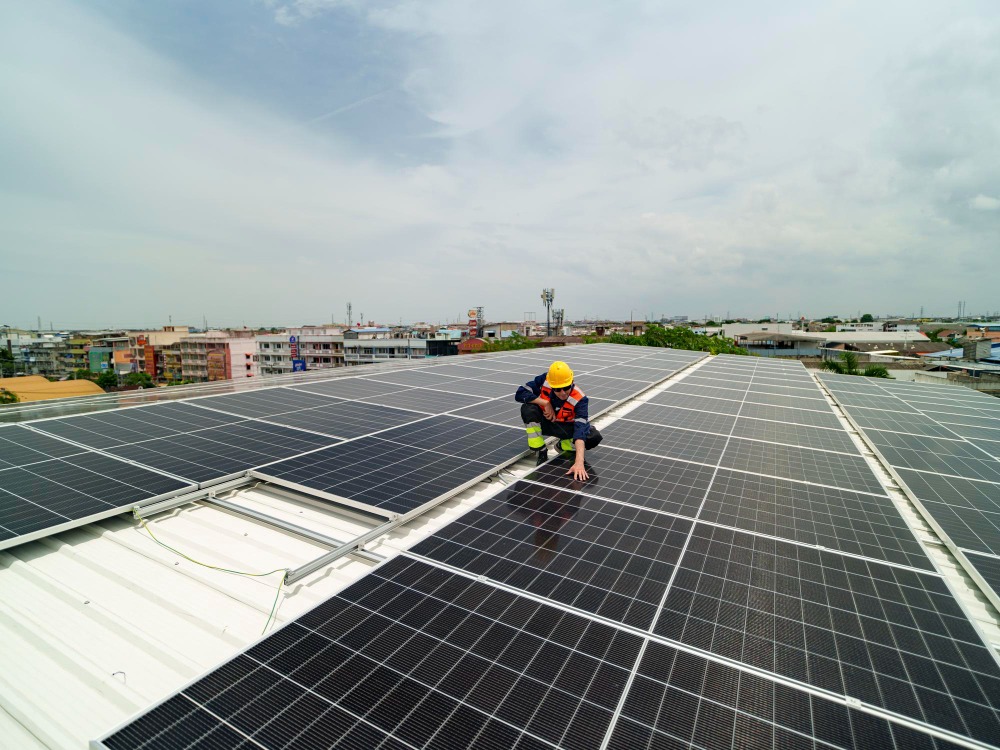
During installation, mounting structures are securely fixed to the rooftop before the solar panels are installed. Electrical wiring is completed carefully, and the inverter is connected according to recommended safety standards.
Every connection is checked thoroughly to ensure safe and efficient operation.
Step 5: Testing and System Commissioning
Before the system becomes operational, technicians perform performance checks to verify electrical safety, energy generation, and proper equipment functioning. Once testing is complete, the system is ready to begin generating electricity.
Residential vs Commercial Rooftop Solar Installation
Although the basic installation process is similar, residential and commercial projects differ in several ways.
Residential installations generally focus on household electricity consumption and available rooftop space.
Commercial installations often require:
- Higher system capacities
- Larger installation areas
- Greater energy output
- More detailed electrical planning
- Business-specific energy management
A professional assessment helps determine the most suitable solution for each type of property.
Common Challenges During Installation
Every rooftop is different, and certain challenges may need to be addressed before installation begins.
Limited Roof Space
Properties with smaller rooftops require efficient system design to maximise electricity generation.
Roof Shading
Nearby buildings, water tanks, trees, or other structures can reduce sunlight exposure and affect overall system performance.
Structural Considerations
Older buildings may require a structural evaluation before mounting solar panels to ensure long-term safety.
Future Expansion
Planning for future electricity requirements during the design stage allows easier system expansion later if needed.
Maintenance After Installation
One of the advantages of rooftop solar systems is that they require relatively little maintenance.
To maintain efficient performance:
- Clean the panels regularly to remove dust and debris.
- Inspect mounting structures periodically.
- Monitor electricity generation for unusual changes.
- Schedule professional inspections when recommended.
Simple preventive maintenance helps maintain efficiency throughout the system's operational life.
Questions to Ask Before Choosing an Installation Company
Before selecting a solar installation provider, consider asking:
- How is the recommended system size calculated?
- Which solar panel and inverter brands are offered?
- What warranties are included?
- How long will the installation take?
- Will assistance be provided with applicable documentation?
- Is after-sales service available?
- Can the system be expanded in the future?
Comparing providers based on technical expertise rather than price alone often leads to better long-term results.
Building a Reliable Solar Future
A rooftop solar system is designed to provide dependable energy generation for many years, making proper planning and professional installation essential. Investing in quality components and experienced installation services helps maximise efficiency while reducing maintenance concerns over time.
For property owners considering Rooftop Solar Panel Installation in Nagpur, RDC Infotech provides complete support, including site assessments, customised system design, equipment selection, professional installation, and ongoing guidance. With a carefully planned solar solution, homeowners and businesses can make the most of Nagpur's abundant sunlight while moving towards cleaner, more sustainable energy.