
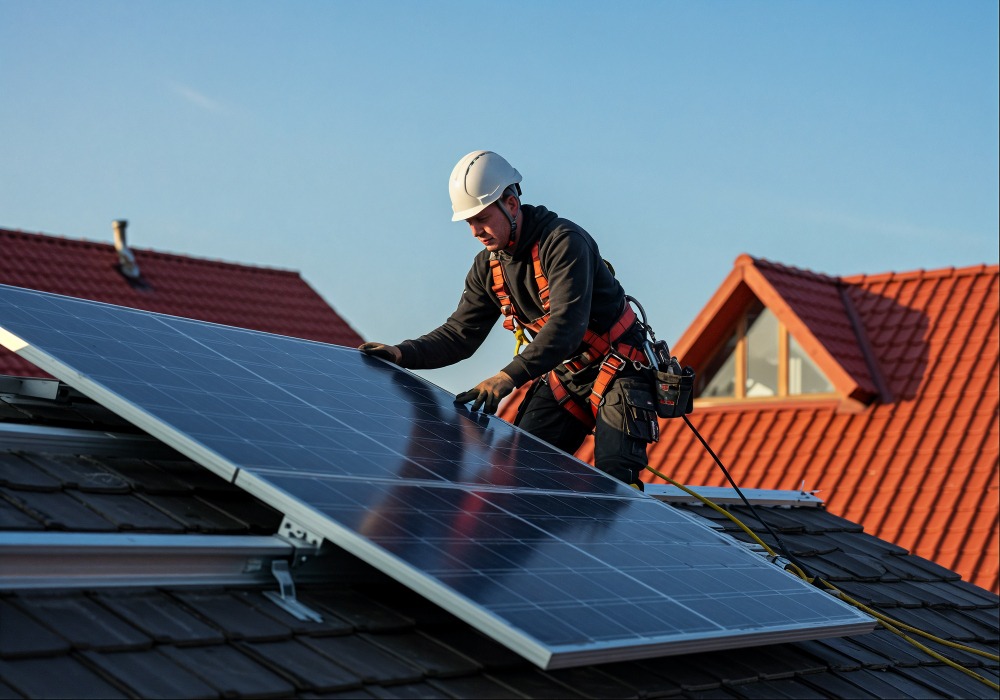
Installing a home solar panel installation system is a significant investment that can provide long-term benefits when planned correctly. While solar technology has become more accessible, taking time to evaluate your home's requirements before installation can help improve efficiency, avoid unnecessary expenses, and ensure the system performs as expected.
Many homeowners across Nashik are exploring solar energy to reduce electricity costs while making better use of available rooftop space. A well-planned installation begins with understanding your property's current and future energy needs.
Review Your Electricity Consumption
The first step is understanding how much electricity your household consumes.
Collect electricity bills from the previous 6 to 12 months and review:
- Average monthly units consumed
- Seasonal changes in electricity usage
- Peak consumption periods
- Expected increase in future demand
This information helps determine the right system capacity instead of installing a system that is either too small or larger than necessary.
Evaluate Your Roof Condition
Your roof plays a vital role in the overall performance of a solar system.
Before installation, consider:
- Structural strength
- Age of the roof
- Available installation area
- Ease of maintenance access
If roof repairs are already planned, completing them before installing solar panels can help avoid additional work later.
Identify Possible Shading Issues
Solar panels generate maximum electricity when they receive direct sunlight.
Inspect the rooftop for objects that may create shadows, including:
- Nearby buildings
- Large trees
- Water storage tanks
- Mobile towers
- Chimneys
Even partial shading during certain hours can reduce overall energy generation.
Select the Right System Capacity
Every household has different electricity requirements.
The appropriate capacity depends on factors such as:
- Family size
- Number of electrical appliances
- Air conditioner usage
- Future expansion plans
- Available roof space
Choosing a properly sized system helps maximize energy production and investment value.
Compare the Quality of Components
A solar installation consists of multiple components that work together.
Pay attention to the quality of:
- Solar panels
- Solar inverter
- Mounting structure
- Electrical cables
- Protection devices
Reliable components generally require fewer repairs and continue performing efficiently for many years.
Understand Warranty Coverage
Before finalizing your purchase, review the warranties offered for each component.
Check details related to:
- Product warranty
- Performance warranty
- Inverter warranty
- Installation workmanship
Knowing these details in advance helps avoid confusion if service is required later.
Prepare for Routine Maintenance
Solar systems are relatively low maintenance, but regular inspections help maintain consistent performance.
Simple maintenance practices include:
- Cleaning dust from panels
- Monitoring electricity generation
- Inspecting visible wiring
- Scheduling periodic technical inspections
Keeping the panels clean can significantly improve energy production, particularly during dry seasons.
Think About Future Electricity Needs
Your electricity usage may increase over time due to lifestyle changes or new appliances.
Future additions may include:
- Electric vehicle charging
- Air conditioners
- Water heaters
- Home office equipment
- Kitchen appliances
Planning for future demand during the initial installation can reduce the need for major modifications later.
Plan Your Solar Project with Confidence
A successful home solar project begins with careful planning rather than rushing into installation. Evaluating your roof, understanding your electricity usage, selecting quality equipment, and working with experienced professionals can help you get the most from your investment.
Homeowners throughout Nashik often consult providers such as RDC Infotech to better understand system sizing, installation requirements, and suitable solar solutions for their properties. Taking a structured approach before installation makes the transition to solar energy smoother and more rewarding.